Refill or Single-Use? The Smart Money Guide for Everyday Homes
Today we dive into a practical cost comparison between refill packs and single-use household items, examining unit prices, dilution ratios, packaging overhead, and the small habits that quietly shape monthly spending. Expect clear math, honest stories, and doable steps. Share your experiences in the comments, and subscribe for ongoing challenges, calculators, and community-tested checklists that help every dollar and every bottle work harder.

Everyday Savings Unpacked

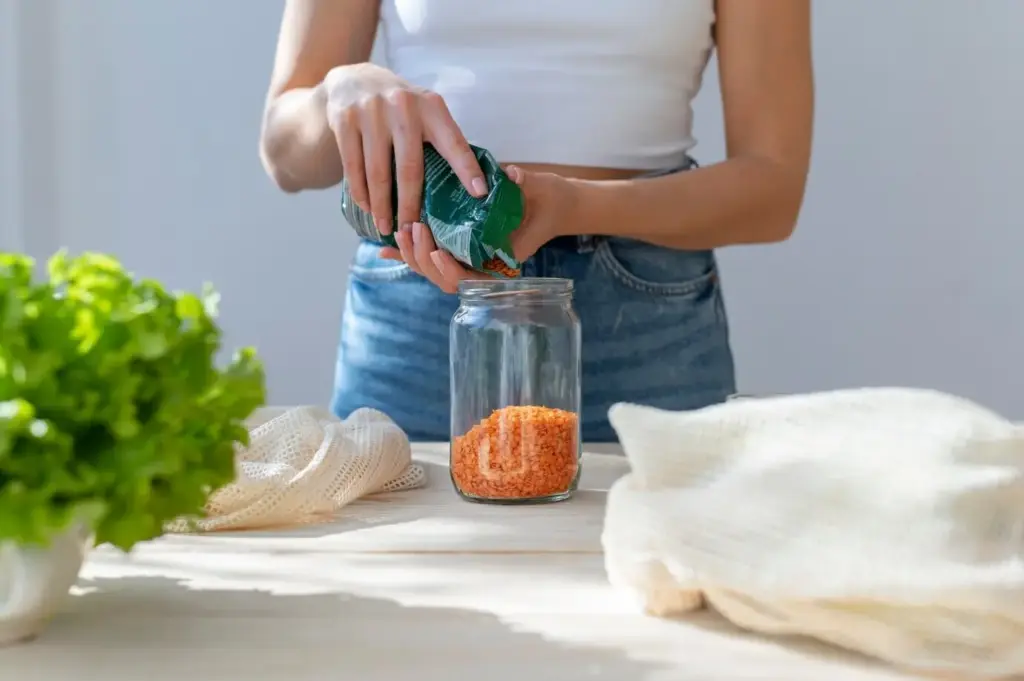
Refill packs usually avoid paying for new sprayers, caps, and heavy bottles each purchase, letting you reuse the container you already own. That means less plastic, less freight weight, and often a better price per ounce. Single-use conveniences add easy moments but can sneak in markups. Knowing where those extras hide empowers consistent, confident decisions in real aisles, not just on spreadsheets.

Hidden Costs at Checkout

That shiny new trigger sprayer you buy again and again is quietly bundled into the price of every ready-to-use bottle, along with decorative labels and shelf-ready packaging. Refill packs skip many of those costs, redirecting value into product instead of presentation. Notice impulse displays near registers; single-use items often sit there because urgency nudges us to accept higher per-ounce prices.

Packaging and Waste Economics

Manufacturers pay to design, print, and ship rigid packaging, and those expenses flow into retail prices. Municipal fees and disposal realities influence corporate strategies, which ultimately affect what you pay. Refill concentrates reduce packaging mass dramatically, meaning fewer trucks, pallets, and protective boxes. When you multiply those avoided layers over a year, the savings frequently outpace coupons or seasonal sale cycles.

Convenience Versus Habit

Single-use feels convenient because it bypasses prep time, yet that convenience is priced in. Refills feel harder only until you create a routine: mark dilution lines on bottles, stack pouches where you reach first, and set reminders to reorder before you run out. Habit eliminates panic purchases at corner stores, which are usually the most expensive per ounce.

Price Tags, Unit Costs, and Math That Matters

Shelf prices can mislead when packages vary wildly in size and concentration. Compare price per ounce or per sheet, and factor dilution ratios like 1:3, 1:5, or even 1:10 for concentrates. Watch for introductory sizes that look generous yet hide higher unit costs. A few quick calculations on your phone can unlock year-round savings far bigger than one-time discounts.

Reading Price per Ounce or Sheet

Always divide total price by usable units, not just container size. For paper products, use sheets or square footage; for liquids, standardize to ounces or milliliters. Many stores print unit price on shelf labels, but check whether it’s per liter or per 100 milliliters to avoid confusion. Consistent units make refills and single-use options directly comparable, revealing meaningful differences.

Shrinkflation and Refill Sizes

Shrinkflation quietly reduces volume while labels stay familiar. A bottle might drop from 32 ounces to 28, while price barely changes. Refills sometimes resist this trend because dilution ratios would become obvious if altered. Keep a simple note on your phone with historical sizes and typical per-ounce costs. That small record helps you spot real bargains instantly and ignore distracting packaging redesigns.

Materials, Quality, and Performance in Real Use

Savings are hollow if performance suffers. Concentrate refills often match or exceed cleaning power because active ingredients arrive undiluted. Reusable containers require occasional maintenance—rinse residue, replace worn gaskets, and label dilution lines clearly. This small care preserves spray quality and prevents clogs. When you protect performance, refills deliver both dependable results and genuine long-term value to daily routines.

Cleaning Power Comparisons

Test the same countertop with a ready-to-use spray versus a properly diluted concentrate. Many households report equal shine and fewer streaks, especially when microfiber cloths are used. If you see residue, adjust dilution or water hardness. A simple sticker on the bottle with your preferred ratio saves time later, building consistent, effective cleaning cycles without buying another plastic sprayer every month.

Durability of Reusable Containers

A sturdy bottle can last years, but triggers sometimes fail first. Keep a spare trigger head, especially for high-use areas like kitchens. Rinse sprayers after oily or acidic solutions, and avoid leaving them pressurized. If measuring caps crack, replace the cap, not the whole bottle. These tiny habits protect performance, turning refill systems into reliable, everyday workhorses that comfortably outpace single-use replacements.

Safety and Compatibility Myths

People worry about mixing incompatible chemicals in reused bottles. The fix is labeling and thoughtful segregation: dedicate bottles to specific categories—glass cleaner, all-purpose, bathroom—and rinse thoroughly between products. Never mix bleach with ammonia-based cleaners. Follow manufacturer dilution instructions precisely. Clarity and care keep refill systems safe, consistent, and just as straightforward as grabbing another prefilled bottle from a shelf.
Environmental Footprint and Long‑Term Household Budgets

Refill concentrates can reduce packaging by large margins, cutting plastic, cardboard, and freight emissions. While environmental wins are compelling alone, they also echo through household budgets. Fewer heavy bottles mean fewer emergency runs and less storage pressure. When every container pulls double duty for years, you buy fewer accessories and avoid paying repeatedly for the same molded plastic you already own.
Translate fewer trash bags and recycling pickups into time saved and supply costs avoided. Some municipalities charge by volume or weight, turning lighter, compact refills into direct savings. Even where fees are fixed, fewer trips and less clutter carry value. By choosing concentrated pouches, you shift spending from packaging toward active ingredients, improving performance per dollar while trimming household waste streams.
A ready-to-use bottle ships mostly water. Refills ship active ingredients, which weigh far less, cutting fuel use and freight costs. Those efficiencies often appear as lower shelf prices or better promotional margins. At home, dense storage improves logistics too—more cleanings per cubic foot. That space efficiency supports bulk buying when sales hit, multiplying both environmental benefits and personal budget resilience.

Case Files from Real Homes

Stories reveal what spreadsheets miss. We gathered experiences from different households to show where refills shine and where single-use still wins. Context matters: storage space, water hardness, and routine predict outcomes. These snapshots show practical tradeoffs, actual dollars saved, and small behavioral tweaks that turn good intentions into durable habits, without sacrificing cleanliness, convenience, or the feeling of a fresh home.

Your Action Plan and Shopping Checklist

The best system is the one you will actually use. Start with two or three high-rotation products, set conservative dilution ratios, and refine weekly. Keep a simple tracker for unit prices, usage, and reorders. Share what works in the comments, ask questions, and subscribe to receive printable checklists, ratio labels, and seasonal deal alerts to lock in savings without sacrificing cleanliness or convenience.
Nelexinolozozuzatuta
Privacy Overview

This website uses cookies so that we can provide you with the best user experience possible. Cookie information is stored in your browser and performs functions such as recognising you when you return to our website and helping our team to understand which sections of the website you find most interesting and useful.