Create Your Own Home Refill Station for Daily Essentials
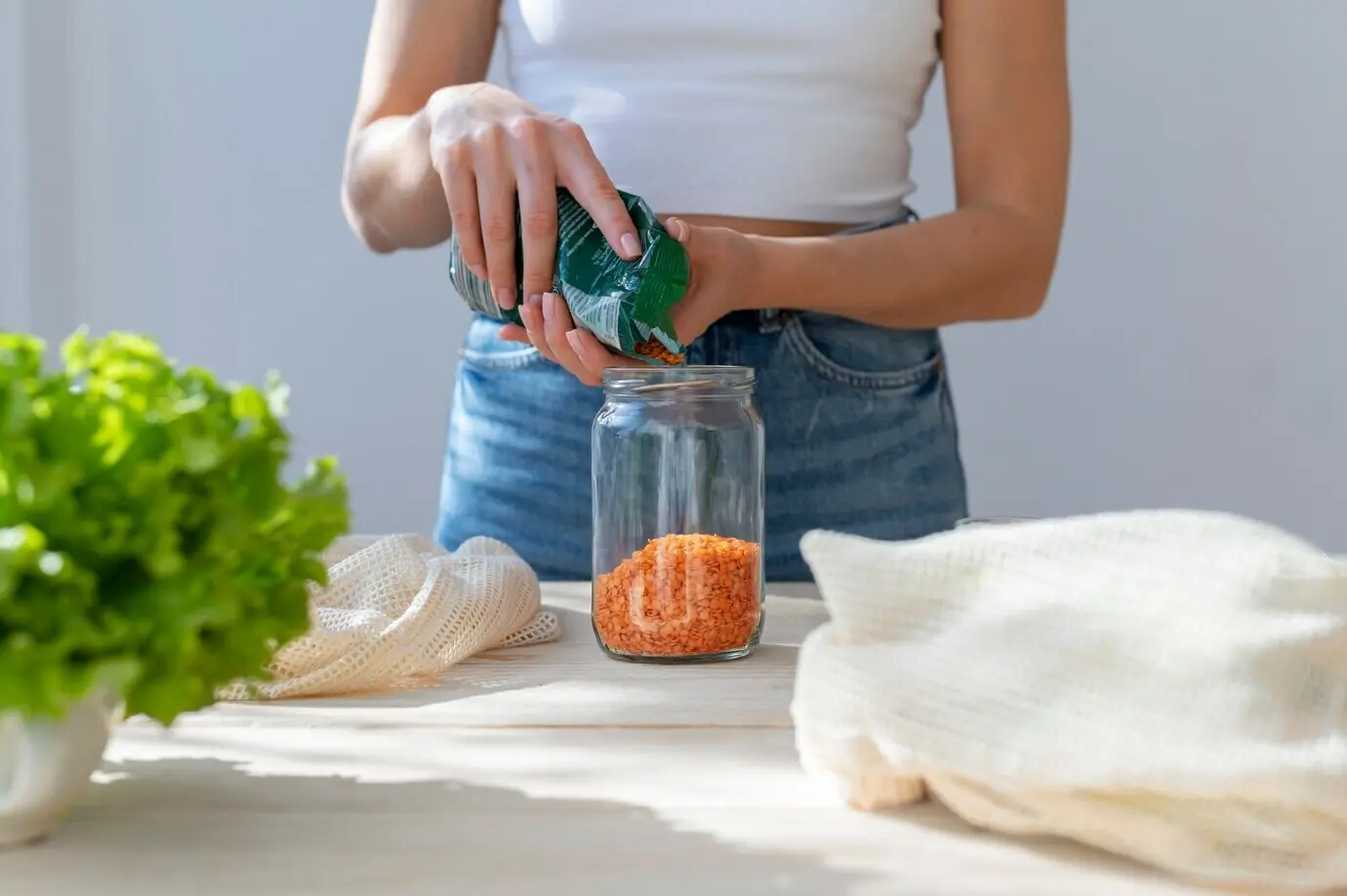
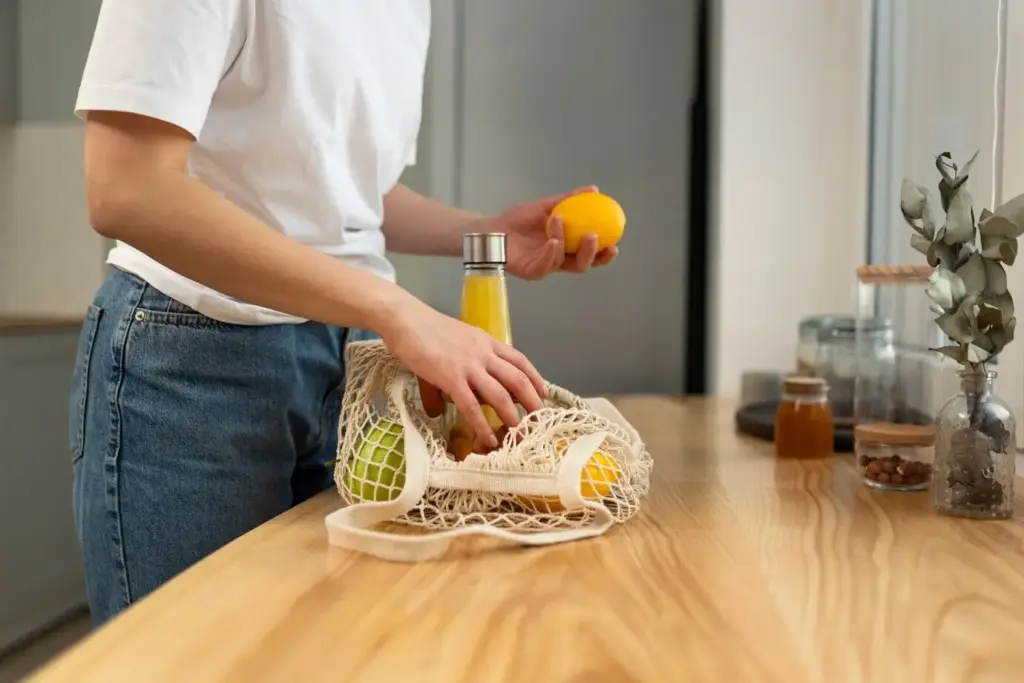
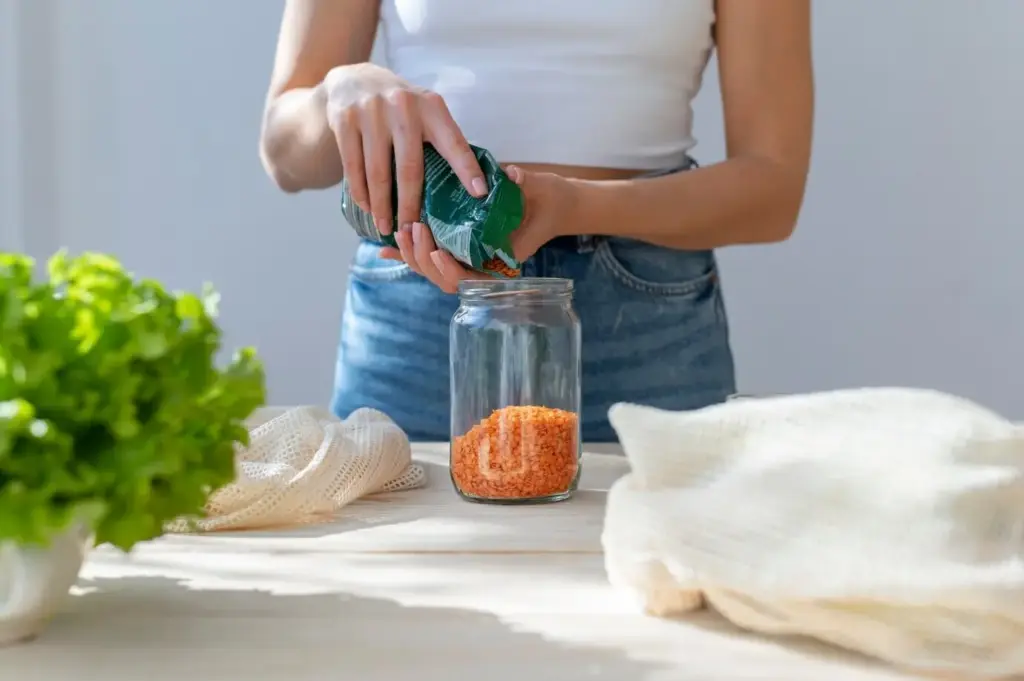
Today we’ll explore how to set up a home refill station for everyday household products, making it simple to reduce waste, save money, and keep your space beautifully organized. Expect clear steps, practical checklists, relatable stories, and friendly encouragement that helps you start confidently and build a routine you’ll actually enjoy maintaining.

Audit What You Actually Use

Walk through your home and list the products that get real, frequent use: dish soap, laundry detergent, all-purpose cleaner, hand soap, shampoo, and more. Note volumes, frequency, and preferred scents. This audit prevents overstocking rarely used items and guides smart container sizes, avoiding wasteful, half-empty bottles gathering dust.

Choose the Best Location at Home

Pick a spot that balances access, cleanliness, and safety. A laundry room shelf, pantry corner, or a section of the kitchen works well if it stays dry and away from direct sunlight. Prioritize sturdy surfaces, nearby water access for rinsing, and storage that keeps heavy containers at comfortable heights.

Design an Efficient Layout

Arrange containers by category and frequency of use, with the heaviest items low and most-used bottles front and center. Reserve a clean zone for decanting, keep funnels and scoops within reach, and add a small caddy for cloths, markers, and labels. Comfort and flow prevent spills and procrastination.

Containers, Dispensers, and Labels That Work
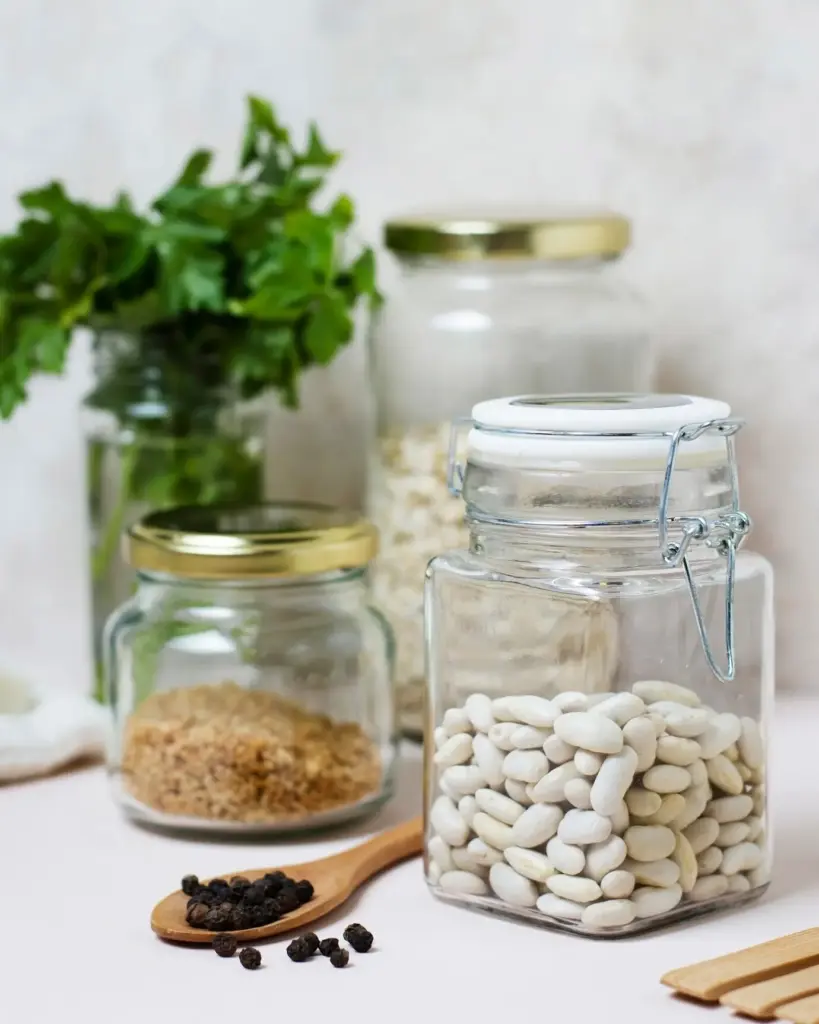
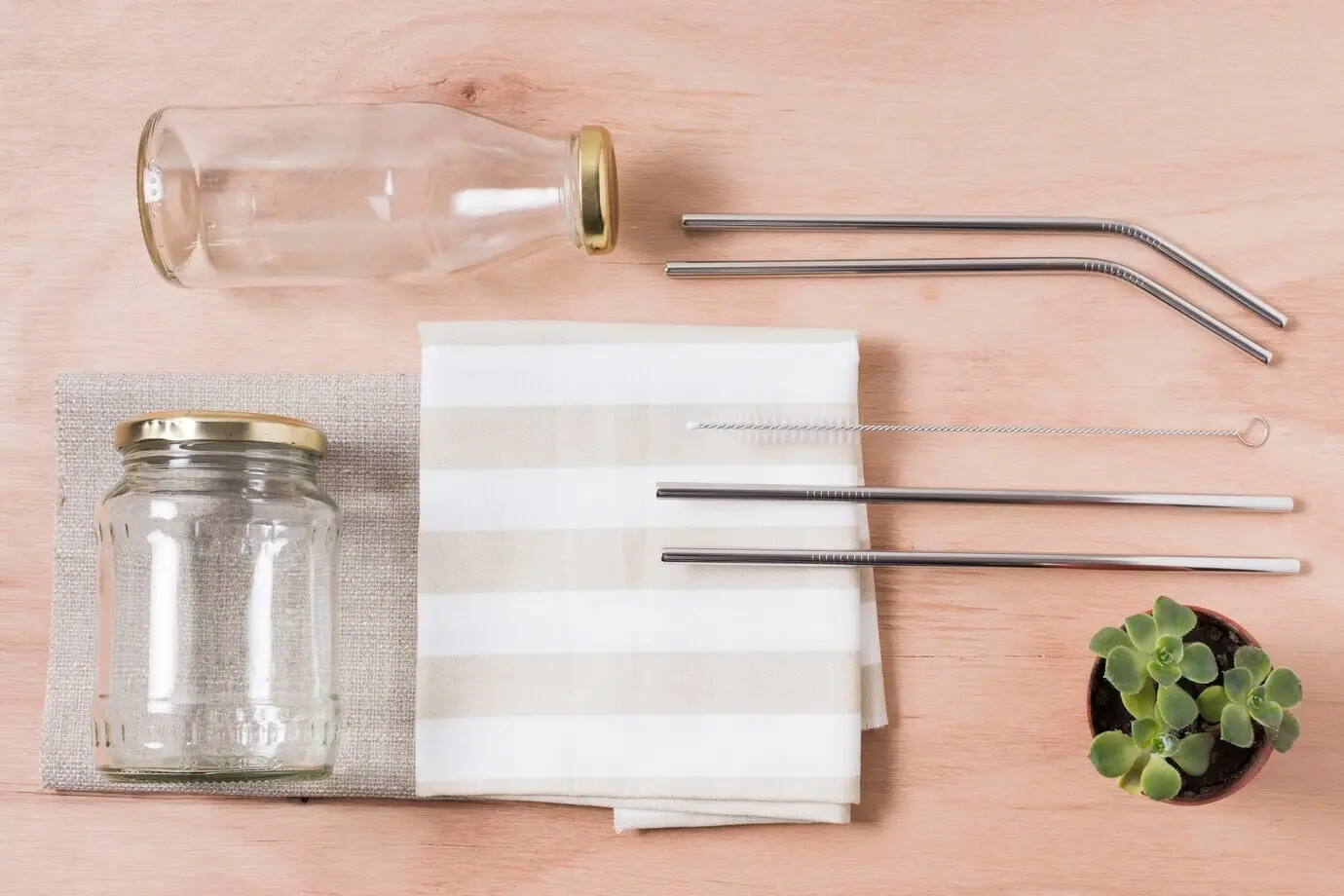
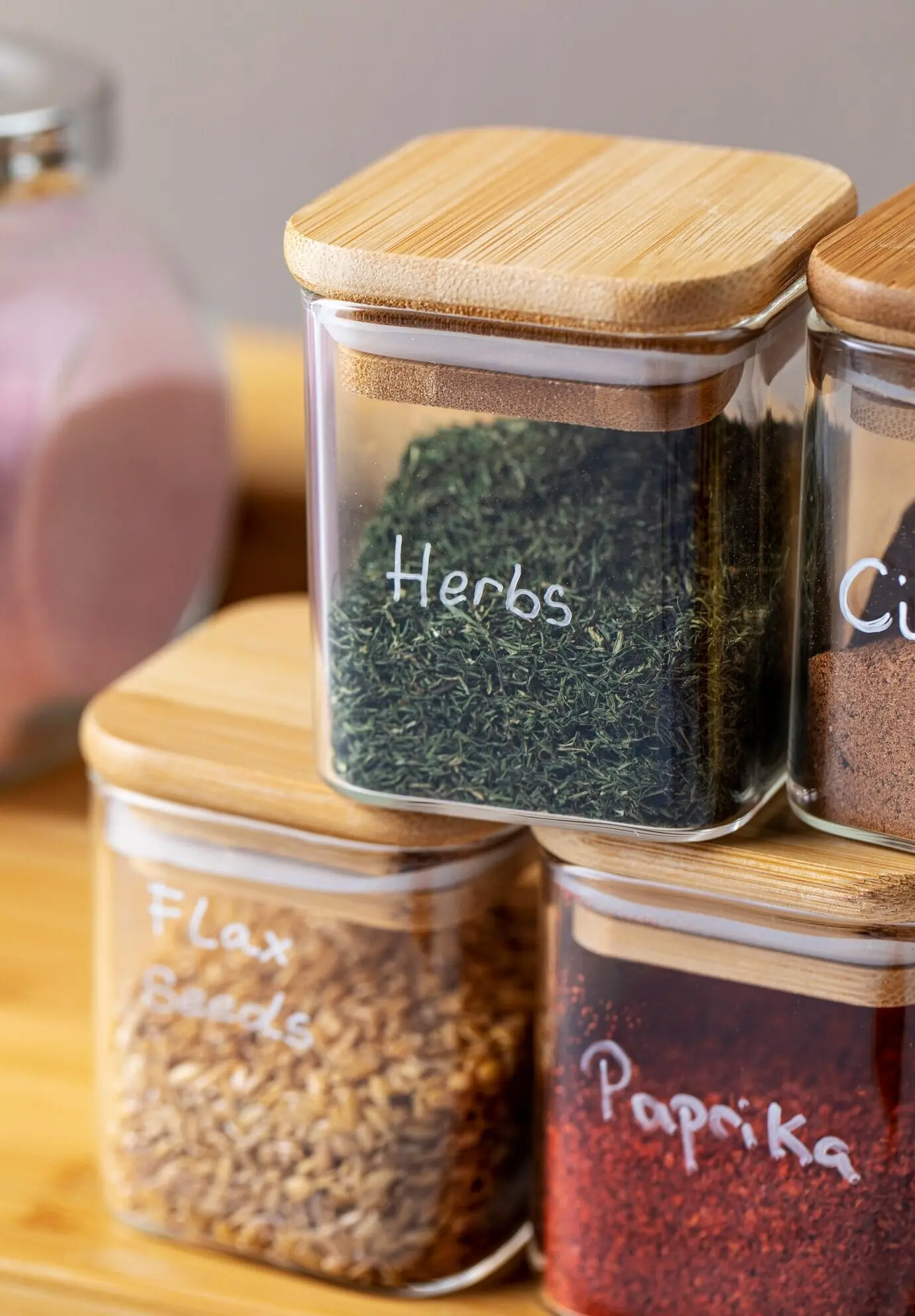
Thoughtful packaging choices elevate the experience. Consider product compatibility, durability, and ease of cleaning as you select jars, pump bottles, and dispensers. Pair them with clear, enduring labels and a simple tracking system, so you always know what’s inside, when it was refilled, and what needs restocking next.

Sourcing Bulk and Concentrates Responsibly
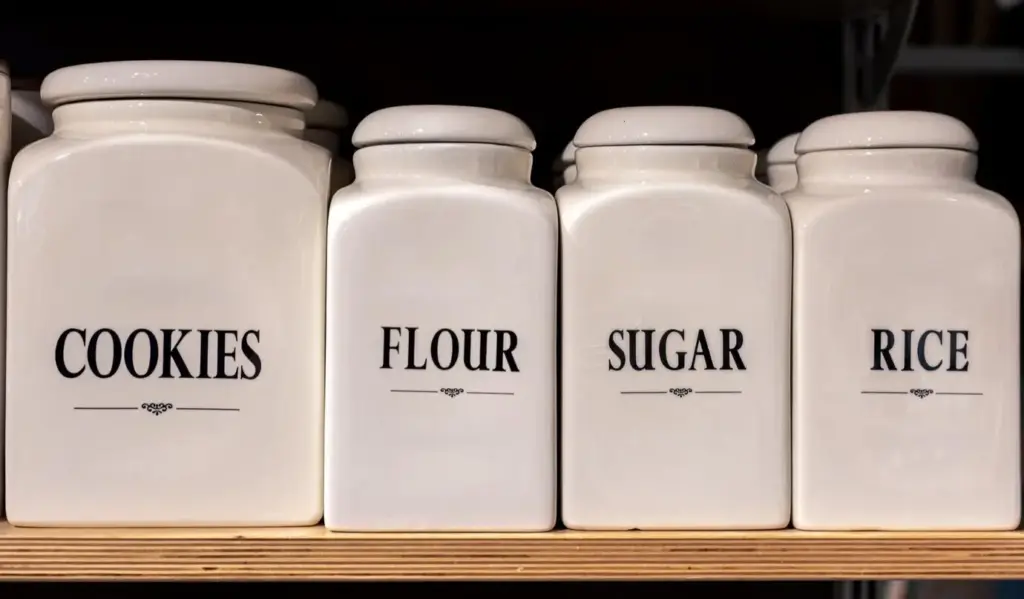
Finding reliable sources defines the station’s long-term success. Compare local refilleries, co-ops, and trusted online suppliers for quality, price, and packaging policies. Favor concentrates that cut freight emissions and storage space, and always verify ingredients, certifications, and refill container return programs to ensure genuine, sustainable progress over greenwashing.

Hygiene, Safety, and Storage Essentials

Your station should be as safe as it is convenient. Keep a routine for cleaning tools, sanitizing containers, and managing shelf life. Protect children and pets with secure closures and elevated storage. Maintain ventilation, separate incompatible products, and keep safety notes visible so refilling remains worry-free and consistently hygienic.

Sanitizing Containers Between Uses

Rinse thoroughly, wash with hot soapy water, and sanitize with boiling water or a suitable food-safe solution, depending on material. Allow full drying before refilling to prevent microbial growth and dilution errors. Replace worn seals and pumps. Schedule periodic deep cleans, especially for bottles used with personal care or kitchen products.

Understanding Shelf Life and Stability

Mark purchase and refill dates, and rotate stock using first-in, first-out. Keep sensitive products away from direct sun and heat, and avoid temperature swings. Watch for scent changes, separation, or haze. Discard anything suspect. Respect expiration guidance, particularly for natural formulations that contain fewer preservatives and degrade more quickly.

Protecting Kids, Pets, and Sensitive Users

Use child-resistant caps, elevated shelves, and locked cabinets for concentrates. Avoid strong fragrances if anyone is sensitive or asthmatic. Store powders away from curious paws and hands. Provide clear usage instructions, and never decant into food or beverage containers. Safety is shared responsibility; educate family members gently and consistently.
A Weekly or Monthly Refill Ritual

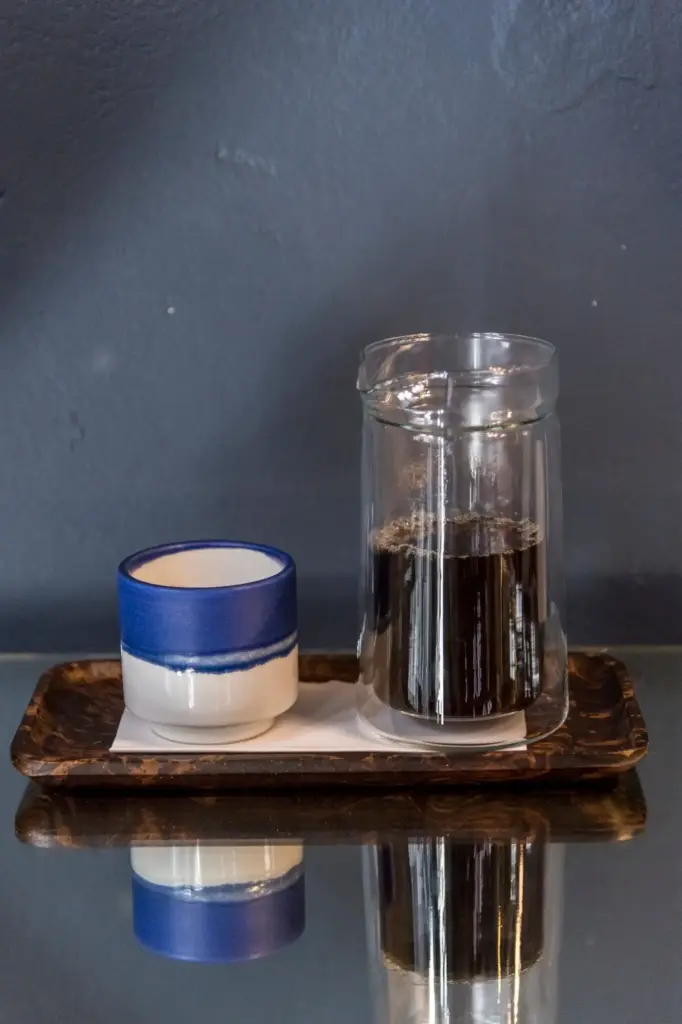
Pick a predictable time, like Saturday morning or first Monday of the month. Review levels, note upcoming needs, and batch tasks: sanitize, refill, wipe, relabel. Add music or a favorite podcast to make the routine enjoyable. Consistency keeps supplies ready, prevents panic runs, and inspires household participation without nagging.

Tools That Prevent Spills and Waste

Keep a dedicated tray to catch drips, plus funnels, a small pitcher, microfiber cloths, measuring tools, and nitrile gloves for sticky jobs. Use a silicone mat under bulky containers and a step stool for safe lifting. These simple tools prevent messes, protect surfaces, and turn refills into smooth, satisfying motions.

Fixing Common Mistakes

If labels smear, switch to waterproof options and let bottles dry before applying. For clogs, soak pumps in warm soapy water and rinse thoroughly. If dilutions seem weak, recalibrate measurements and test. Spills happen—contain, wipe, and review your setup. Every improvement is a small step toward effortless, reliable refilling.

Motivation, Impact, and Community Support

Track Savings and Environmental Wins

Keep a simple spreadsheet or journal noting bulk costs, container reuses, and avoided single-use packaging. Watching numbers add up is motivating and persuasive for reluctant family members. Celebrate milestones, like the tenth refill of a bottle. Recognizing tangible wins turns good intentions into a sustained, joyful household habit.

Make It Beautiful and Inviting

Style shelves with consistent containers, warm lighting, and clear labels so the station feels welcoming, not industrial. A visually pleasing setup encourages daily use, careful maintenance, and pride. Add a small plant, a framed reminder, or color-coded bins. Beauty isn’t superficial; it fuels consistency and sparks positive conversations.

Share, Swap, and Learn Together

Host a refill afternoon with friends, exchange surplus concentrates, or coordinate a neighborhood bulk order. Ask your local shop for workshops and ingredient deep dives. Share successes and mistakes online, inviting questions. Collaboration builds confidence, unlocks discounts, and spreads practical knowledge that strengthens everyone’s commitment to low-waste living.
Nelexinolozozuzatuta
Privacy Overview

This website uses cookies so that we can provide you with the best user experience possible. Cookie information is stored in your browser and performs functions such as recognising you when you return to our website and helping our team to understand which sections of the website you find most interesting and useful.