Refill with Confidence: Clean, Safe, and Smart
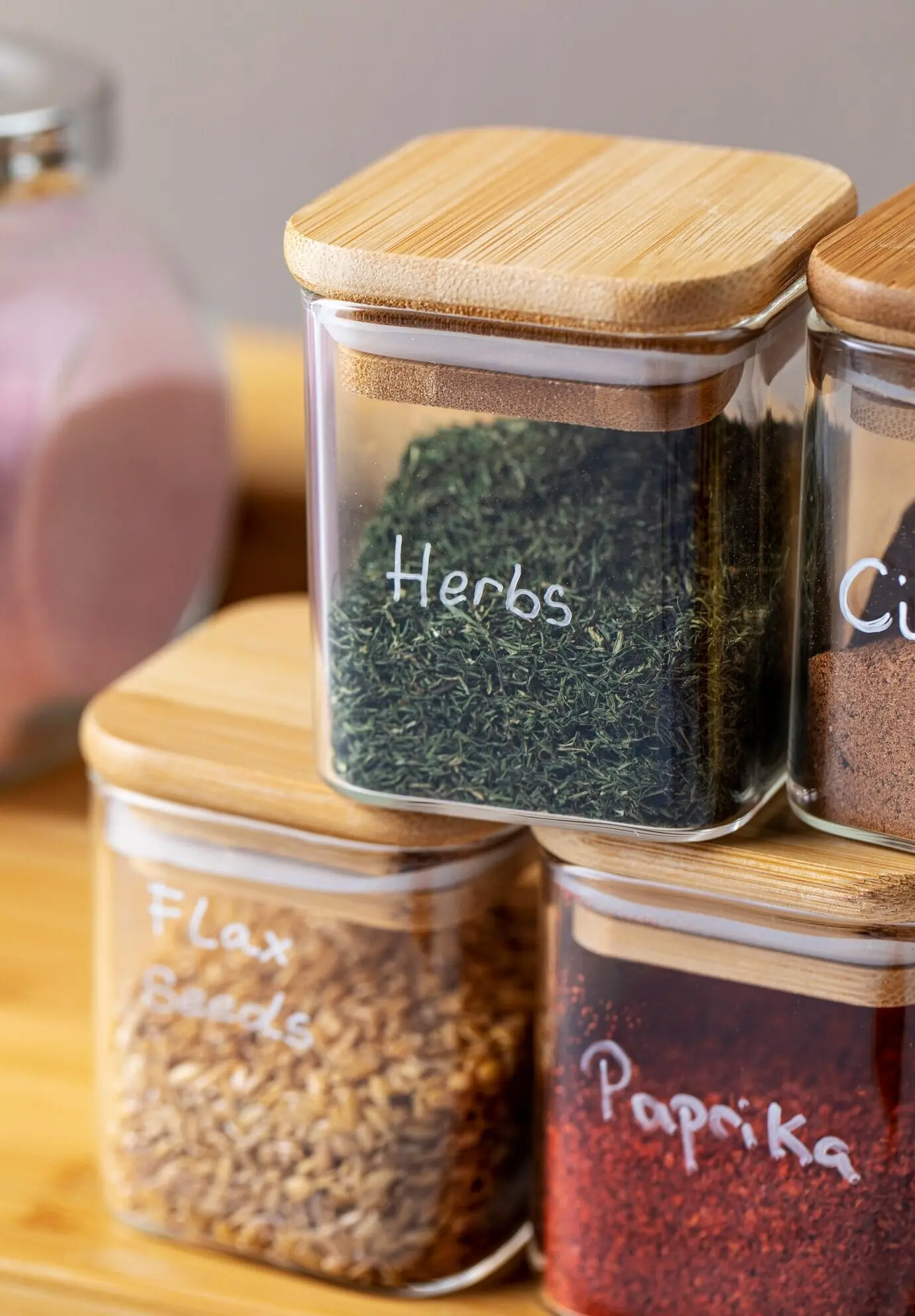
Step into a practical, reassuring guide that makes everyday refills simpler and safer. We explore Hygiene and Safety Best Practices for Refilling Soaps, Detergents, and Toiletries, combining evidence-based steps, memorable stories, and checklists so you avoid contamination, protect skin, and keep products effective while reducing waste. Share your setup and questions to help others learn and refine their routines.

Understanding Cross-Contamination Risks
Clean Bottles, Inside and Out
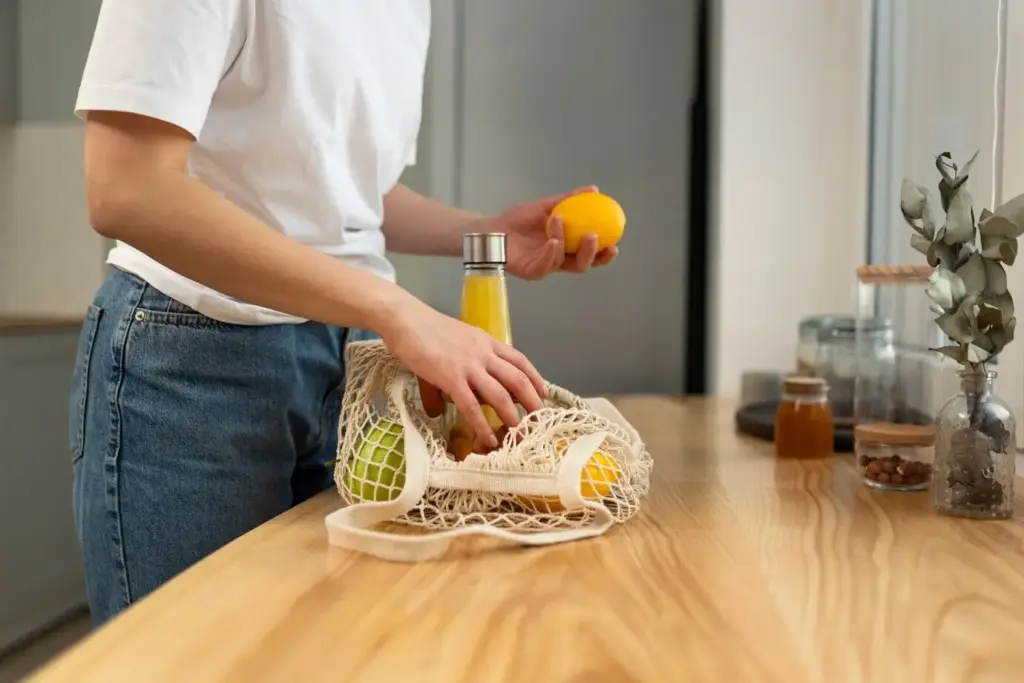
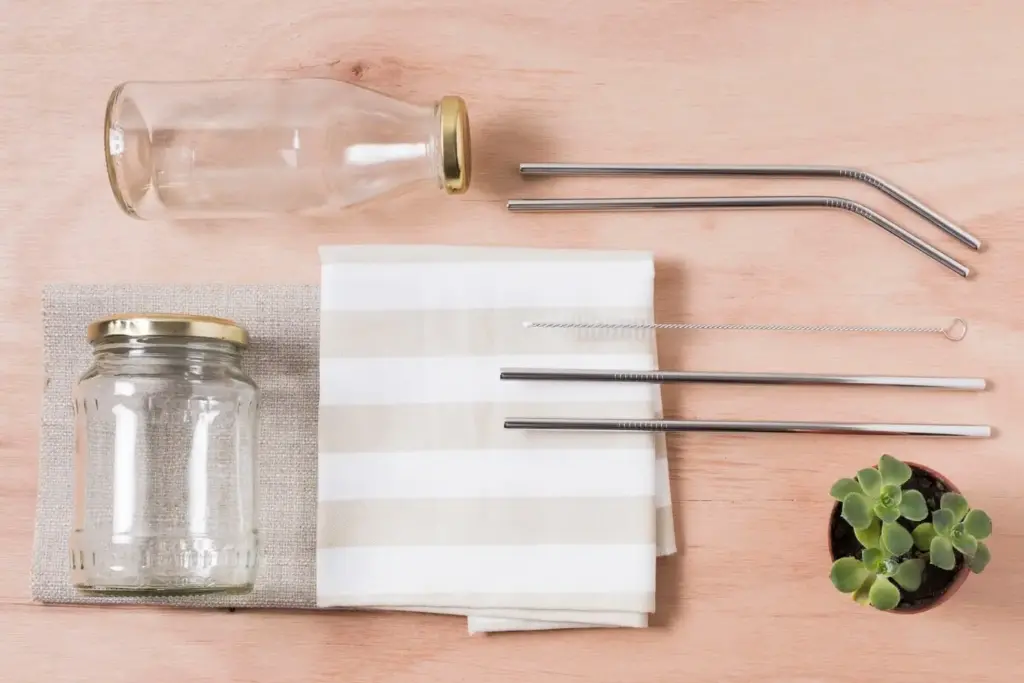
A bottle that looks clear may still harbor biofilm, soap scum, or incompatible traces from a previous product. Rinse with warm water, wash with detergent, sanitize appropriately, and let it air-dry completely. Pay attention to threads, pump tubes, and caps, where residue clings and contamination often begins.

Labeling That Prevents Mix-ups

Never assume you will remember. Use durable, water-resistant labels that include product name, dilution ratio, date filled, and safety notes. Add a simple symbol for household members. Consistent labeling prevents accidental skin exposure, off-odors, and mysterious mixtures you no longer feel confident using.

Keep Products Properly Segregated

Separate personal care from heavy-duty cleaners to avoid cross-use and fumes. Dedicate funnels, measuring jugs, and pumps to specific product families. If in doubt, color-code tools and zones. This habit reduces incompatible contact, protects fragrances, and preserves performance across weeks of repeated refills.

Designing a Safer Refill Station

Smart Flow and Zoning

Set a one-way path: dirty return area, cleaning zone, drying rack, then filling and labeling. Keep handwashing within arm’s reach. Store concentrates below eye level to minimize drops. Thoughtful zoning reduces distractions, shortens tasks, and naturally guides helpers to follow safe, repeatable steps without reminders.

Ventilation and Spill Control

Even gentle detergents release volatile components if heated or agitated. Open a window, run an exhaust fan, and keep absorbent pads nearby. Train everyone to pause, secure caps, and clean as they go. Fast, calm spill responses keep surfaces dry, grip reliable, and lungs happy.

Lighting, Signage, and Reach

Place bright, shadow-free light above the fill zone so meniscus reading is accurate and drips are visible. Post concise steps at eye level. Keep heavy jugs between knee and chest height to protect backs. When everything is visible and reachable, mistakes decline and confidence grows significantly.

Cleaning, Sanitizing, and Drying Containers
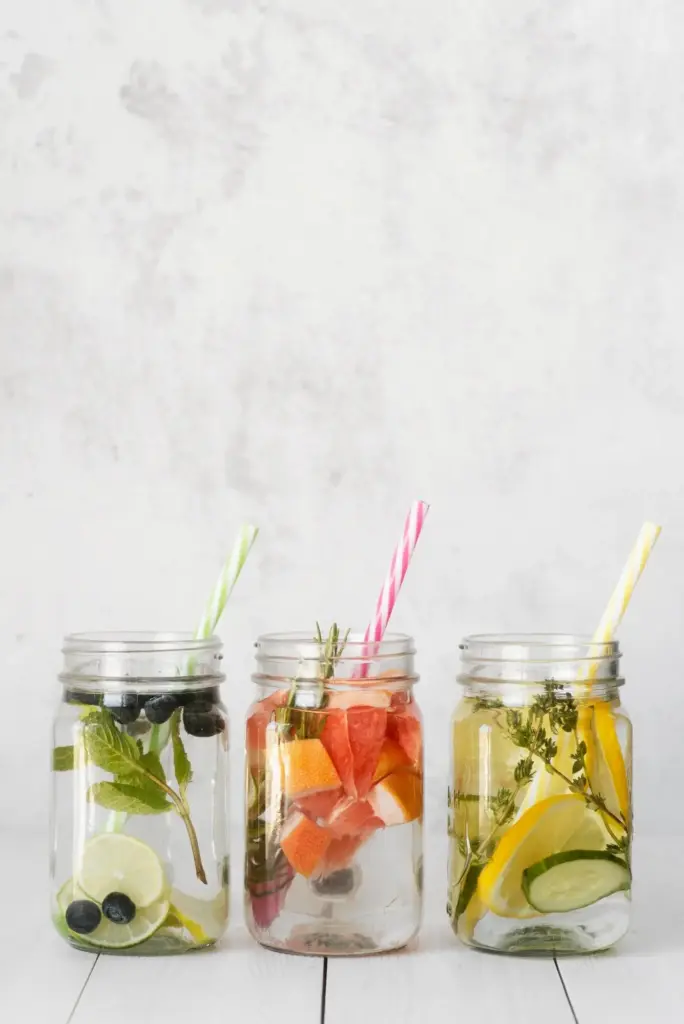
Clean, sanitize, and dry are distinct steps, not synonyms. Skipping one encourages residue, buildup, and microbes that slowly weaken formulas or irritate skin. We outline compatible agents, contact times, and safe rinsing, then explain thorough drying, because moisture inside caps and pumps invites unwanted growth.

Choosing the Right Sanitizer

Match your sanitizer to the product family and material. Food-contact safe quat or alcohol solutions may suit bottles for soaps, while bleach dilutions can work for certain plastics when carefully measured. Observe contact times, rinse when required, and never mix incompatible agents that release harmful gases.

Drying Completely to Stop Growth

After sanitizing, leave containers inverted on a clean rack until no droplets remain. Compressed air can speed the process, but ensure its source is clean. Remember that trapped moisture under pump heads ruins good efforts; dismantle parts gently so every surface dries fully before refilling.

Managing Concentrates and Dilutions

{{SECTION_SUBTITLE}}
Personal Protective Equipment That Works
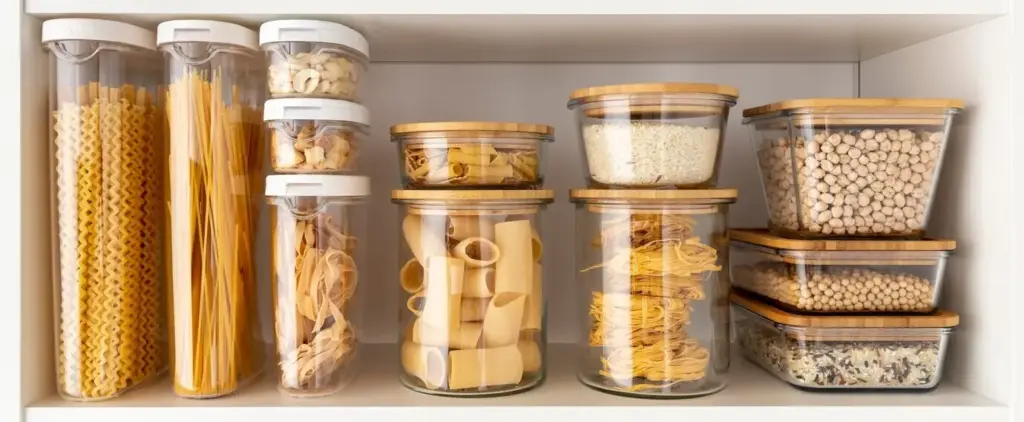
Choose gloves made for the chemicals you handle, not just any rubber pair. Nitrile often outperforms latex for detergents. Add splash goggles when mixing. Tie back hair, remove rings, and wear closed shoes. These small rituals build confidence and prevent one accident from derailing a day.

Measure with Care, Mix with Respect

Use graduated cylinders or marked jugs, not guesswork. Add concentrate to water, not the reverse, to manage heat and splashes. Stir slowly with a dedicated utensil. Record your ratio on the label. Precision enhances performance, saves money, and keeps surfaces and skin safer across seasons.

Sustainability with Safety at Heart

Refilling should protect the planet and people equally. Choosing robust materials, storing away from heat and sunlight, and tracking refills ensures longevity without microbial or chemical surprises. Stories from community co-ops show how a few shared rules deliver waste reduction, fair cost, and trustworthy quality.

Choosing Containers: Glass, HDPE, or Stainless

Glass resists odors but needs careful handling and sleeves. HDPE tolerates many detergents and light impacts. Stainless excels for bulk storage when sealed. Match closure types to viscosity. By aligning material strengths with intended use, you reduce cracks, leaching worries, and the temptation to overbuy replacements.

Transport and Storage Between Refills

Keep containers upright in crates, away from direct sun and hot car trunks. Vent caps before opening to release pressure. Store concentrates low and away from kids and pets. Sensible logistics protect labels, prevent messes, and extend product life so sustainability feels calm, not chaotic.

Community Sharing Without Hygiene Tradeoffs

If your neighborhood runs a refill club, standardize cleaning steps, log container histories, and rotate tasks. Shared funnels and pumps must be sanitized on schedule. Transparent practices build trust, encourage newcomers, and show that circular habits can be neat, welcoming, and genuinely protective of public health.

Clear Communication and Preparedness

Good systems only work when everyone understands them. Simple checklists, visible labels, and regular refreshers keep safety front and center. We also cover spill kits, first-aid basics, and incident logs, turning anxiety into readiness so refilling stays easy, friendly, and consistently dependable for the whole household. Subscribe for printable checklists and share what works in your space.
Nelexinolozozuzatuta
Privacy Overview

This website uses cookies so that we can provide you with the best user experience possible. Cookie information is stored in your browser and performs functions such as recognising you when you return to our website and helping our team to understand which sections of the website you find most interesting and useful.