Refill-Ready Harmony for Kitchen and Bathroom
Today we explore designing an organized, refill-friendly kitchen and bathroom that saves time, reduces waste, and looks beautifully cohesive. Expect practical layouts, container strategies, labeling systems, safety tips, and realistic routines for families, roommates, or solo homeowners. I’ll share small-space tricks, budget-friendly swaps, and personal lessons learned from transforming chaotic cupboards into calm, refill-ready stations. Stay to the end for a weekly reset checklist, and share your wins or questions so we can keep improving together.

Zones That Keep Everything Moving

Great organization begins with zones that match real habits. By establishing a refill hub, decanting area, and daily-use stations in both kitchen and bathroom, you reduce double handling and cut spills. We’ll map specific pathways from store to storage to sink, keeping frequently used items closest to action points. This approach works in tight apartments or spacious homes, using vertical space, drawers, and door backs. The result is flow that feels intuitive, calm, and easy to maintain even on busy days.

Containers That Work Hard and Look Good

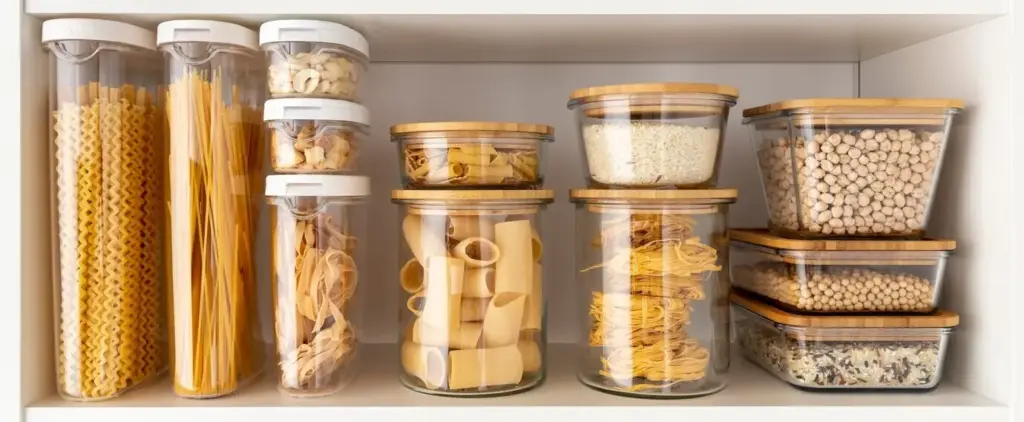
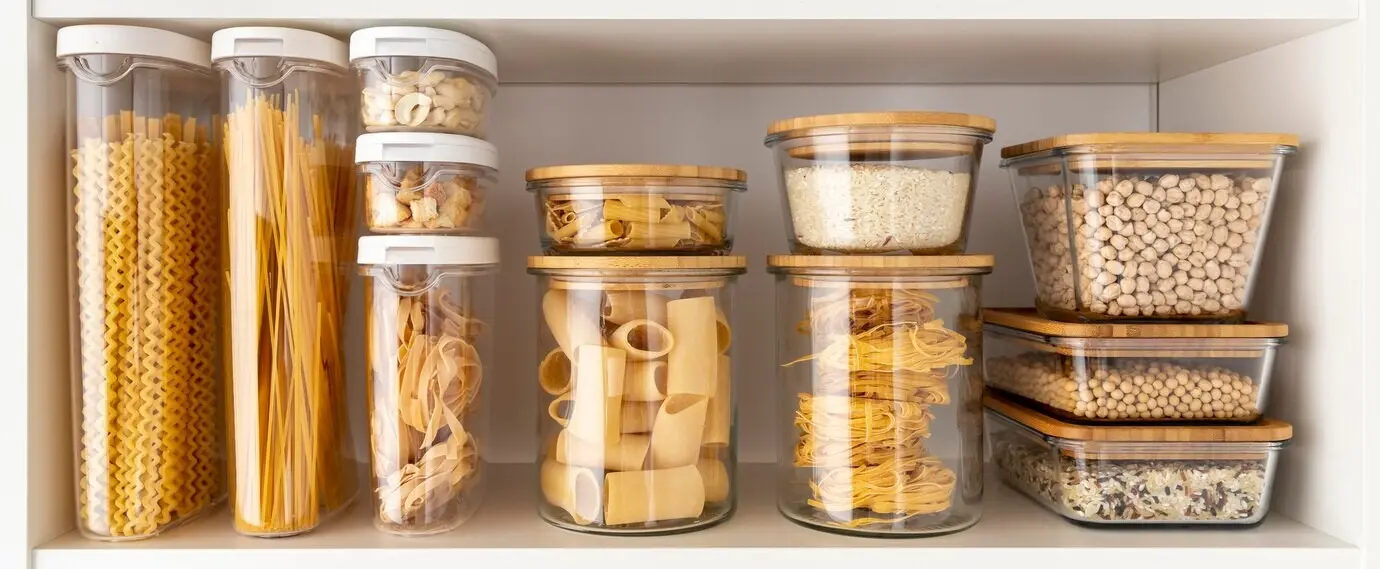
Choose containers for durability, safety, and everyday ease. In kitchens, clarity helps track levels, while in bathrooms, grip and moisture resistance matter. Pair materials with product chemistry, considering acids, oils, peroxide, or alcohol content. Use consistent sizes to simplify storage and pump compatibility. Standardize thread finishes to swap caps quickly. Opt for shapes that nest or line up neatly, reducing visual noise. When everything looks related, you’ll actually enjoy refilling and keep the system going.

Choose Materials Fit for Purpose

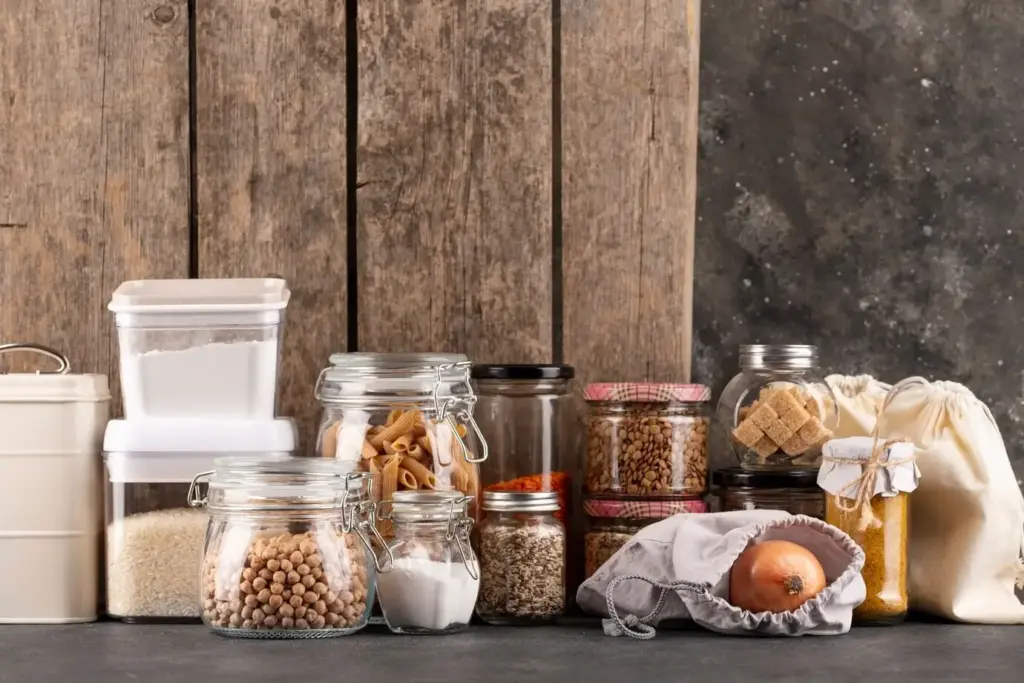
Glass is clear and odor-neutral, ideal for pantry staples and hand soap, but heavy and breakable. PET and HDPE plastics are lightweight and resilient, great for shower products or under-sink cleaners, with better grip in wet hands. Stainless steel shines for durability and light protection, especially for sunlight-sensitive formulas. Always confirm chemical compatibility, particularly with vinegar, citrus oils, peroxide, or alcohol. Add silicone sleeves for safety, and prioritize wide mouths, strong gaskets, and stable bases.

Master Pumps, Triggers, and Lids

Match dispensing hardware to product viscosity and frequency. Foaming pumps reduce soap usage and improve rinsability. Triggers need ergonomic pulls and lockouts for child safety. Pay attention to common neck sizes like 28/410 to keep replacements easy. For thicker lotions, choose pumps with higher output per stroke. Flip caps suit quick kitchen tasks, while disc tops are spill-resistant in showers. Keep spare straws and washers in a labeled pouch so maintenance never delays your routine.

Smart Inventory and Reordering

Right-Size Your Bulk Buying

Calculate average monthly usage and multiply by a comfortable buffer. If dish soap runs at 300 milliliters per month, a 2-liter jug lasts half a year with room for guests. Store backups where they are used, not in a distant closet. Choose stackable bins that prevent tipping and keep lids dust-free. For bathroom refills, smaller bulk sizes often fit better in narrow cabinets. Buying just enough sustains freshness, avoids expired products, and makes carrying containers safe and manageable.

Track with Low-Tech or High-Tech Tools

A magnetic whiteboard, shared family note app, or simple shelf tags can keep counts aligned. For data lovers, QR codes link to item pages where anyone can log the last refill date. Set low-inventory alerts on your phone, tied to shopping days. Keep it visible and easy to update, because systems people actually touch survive. If roommates share responsibilities, assign zones rather than items. Clarity beats precision; even rough marks on containers give you an early reorder signal.

Make Subscriptions Serve You

Use subscriptions thoughtfully to stabilize essentials, but resist auto-piling backups. Start with conservative intervals, then adjust based on real consumption. Pause shipments during travel or seasonal dips. Bundle refills to hit free shipping thresholds only when storage allows and products won’t degrade. Track last arrival, and rotate older stock forward. If a subscription causes clutter, cancel and reset expectations. The best plan adapts to you, not vice versa, keeping spending lean and shelves comfortably stocked.

Safety, Hygiene, and Compliance Made Simple
Protect your home by preventing cross-contamination and honoring product instructions. Separate food-related tools from cleaning tools, and avoid mixing chemicals that produce dangerous gases. Ventilate well, label clearly, and store incompatible substances apart. In bathrooms, humidity heightens risk, so prioritize sealed containers and quick wipe-downs. Keep child-resistant closures on anything hazardous. When refilling, wear gloves for concentrates, and follow dilution charts. A safe system is surprisingly simple: clear zones, clear labels, good air, and consistent habits.

Aesthetic Cohesion that Supports Habits

Design choices should encourage the behavior you want. Use a unified palette for bottles, matching metals for pumps, and durable textures that hide residue. In kitchens, transparent containers reveal quantities at a glance; in bathrooms, frosted bottles soften visual clutter. Add trays to frame zones and catch drips. Limit visible items to daily essentials, stashing excess within reach yet out of sight. When the space looks calm, refilling feels rewarding, and everyone naturally keeps it tidy.

Routines, Resets, and Real-Life Momentum

Refill-friendly systems last when powered by small, repeatable routines. A weekly reset, tiny daily micro-tasks, and seasonal audits keep everything aligned without marathon cleanups. We’ll set realistic checklists, time-boxed habits, and quick wins that boost morale. Expect practical prompts you can screenshot and share with roommates or family. As you build momentum, celebrate small improvements, ask questions in the comments, and subscribe for printable tools. Progress compounds, making order feel natural—not another chore.

The Weekly Reset Checklist

Select one consistent day and run a fifteen-minute loop: check soap levels, top up dish pods, refill hand wash, decant coffee or grains, wipe trays, and photograph shelves. Scan your whiteboard or app for low-inventory alerts. Rinse funnels and let them dry overnight. Toss empties into a dedicated return bin for bulk store trips. This gentle cadence prevents scarcity panic, keeps labels legible, and ensures every station is ready for a new week’s rhythms.

Micro-Tasks for Busy Days

When time is tight, choose quick wins: refill one bottle, relabel a smudged container, or note a single item to reorder. Keep a mini kit—marker, funnel, cloth—in a zip pouch for speed. Tie tasks to routines you already do, like brewing tea or brushing teeth. These tiny moments protect your system from drift. Momentum matters more than perfection, and consistent micro-touches beat irregular deep overhauls every single time.

Seasonal Deep Refresh

Each season, empty one zone at a time, clean shelves, and reassess duplicates. Donate spare unopened products, recycle worn pumps, and retire containers that constantly leak. Update your dilution card and replace faded labels. Switch scents with the weather, or simplify to unscented staples. Revisit subscriptions and cancel anything creeping into clutter. A thoughtful reset renews motivation, frees space for what you truly use, and turns both kitchen and bathroom into fresh, refill-ready sanctuaries.
Nelexinolozozuzatuta
Privacy Overview

This website uses cookies so that we can provide you with the best user experience possible. Cookie information is stored in your browser and performs functions such as recognising you when you return to our website and helping our team to understand which sections of the website you find most interesting and useful.