Refill, Reuse, and Mix Like a Pro

Today we dive into DIY concentrate recipes for refillable cleaners and personal care, revealing practical ratios, gentle ingredient choices, preservation basics, and smart packaging tricks. Expect approachable science, clear steps, and stories that prove you can cut plastic, save money, and still enjoy polished surfaces and happy skin.

Why Concentrates Make Everyday Care Smarter

Concentrates let you store power in small bottles, then dilute on demand for exactly what your home and skin need. You ship and carry less water, reduce plastic, customize scent strength, and adjust pH. When I switched, my recycling bin shrank, my shelves cleared, and cleaning became wonderfully predictable.

Ingredients That Pull Their Weight

Great concentrates rely on a few reliable categories: mild surfactants for lifting soils, chelators to tame hard water, solvents for shine and speed, acids and alkalis for targeted tasks, humectants for skin comfort, and preservatives to keep microbes at bay. Understand their roles, and you can design confidently.

Surfactants and Synergy

Blending gentle nonionic surfactants with amphoteric helpers often improves foam stability and reduces irritation. Think decyl glucoside paired with cocamidopropyl betaine for balanced cleaning. Keep total actives modest in concentrates, then dial performance with dilution. This approach protects finishes, respects skin, and still handles greasy fingerprints without struggle.

pH, Minerals, and Surface Care

Hard water minerals bind soils and create film, so chelators like sodium citrate or GLDA help cleaners work consistently. Acids dissolve limescale; alkalis lift kitchen grease. Always match pH to the job, avoid acids on marble or concrete, and never combine acids with hypochlorite bleach under any circumstance.

Boosters, Fragrance, and Sensitivity

Alcohols speed drying on glass, hydrogen peroxide brightens laundry, and a drop of polysorbate can solubilize fragrance. Keep essential oils conservative, or go fragrance-free for sensitive noses. Record exact amounts and watch for clouding, which hints at solubility limits. Thoughtful boosts deliver performance without overwhelming senses or surfaces.

Cleaner Concentrates for Every Room

A few versatile bases cover nearly everything: an all-purpose spray, a glass booster, and an acid cleaner for mineral buildup. Mix small, label ratios clearly, and test on hidden spots first. You’ll streamline chores, avoid cupboard clutter, and rely on predictable, refillable bottles that do exactly what you expect.

Multipurpose Spray Base (10x)

Create a gentle concentrate using a mild nonionic surfactant, a splash of amphoteric for slip, a chelator to tame hard water, and a broad-spectrum preservative. Dilute one part to nine parts water for counters, appliances, and sealed cabinetry. Skip unfinished wood, test screens, and wipe dry for a balanced, streak-free finish.

Glass and Mirror Booster (8x)

Blend distilled water with isopropyl alcohol, a tiny dose of nonionic surfactant, and preservative. Dilute one to seven with water for fast-flash cleaning on mirrors and windows. Spray lightly, wipe with a clean microfiber, then flip sides for a polish. Avoid on tinted films and specialized anti-glare coatings.

Bathroom Descale Concentrate

Use citric acid or lactic acid with water, a chelator, and preservative for a targeted mineral remover. Keep it clearly labeled acidic. Dilute as needed on faucets and tiles, allow brief contact, then rinse thoroughly. Never use on marble, limestone, or natural stone, and ventilate well during application.

Personal Care Bases You Can Refill

Gentle surfactants, humectants, and careful pH control make refillable personal care feel luxurious. Build a concentrated base, then dilute into foamer bottles or travel containers. Preserve correctly, patch-test patiently, and record your tweaks. Small changes in pH or humectant percentage can dramatically improve slip, rinse feel, and post-wash comfort.

Packaging, Preservation, and Shelf Life
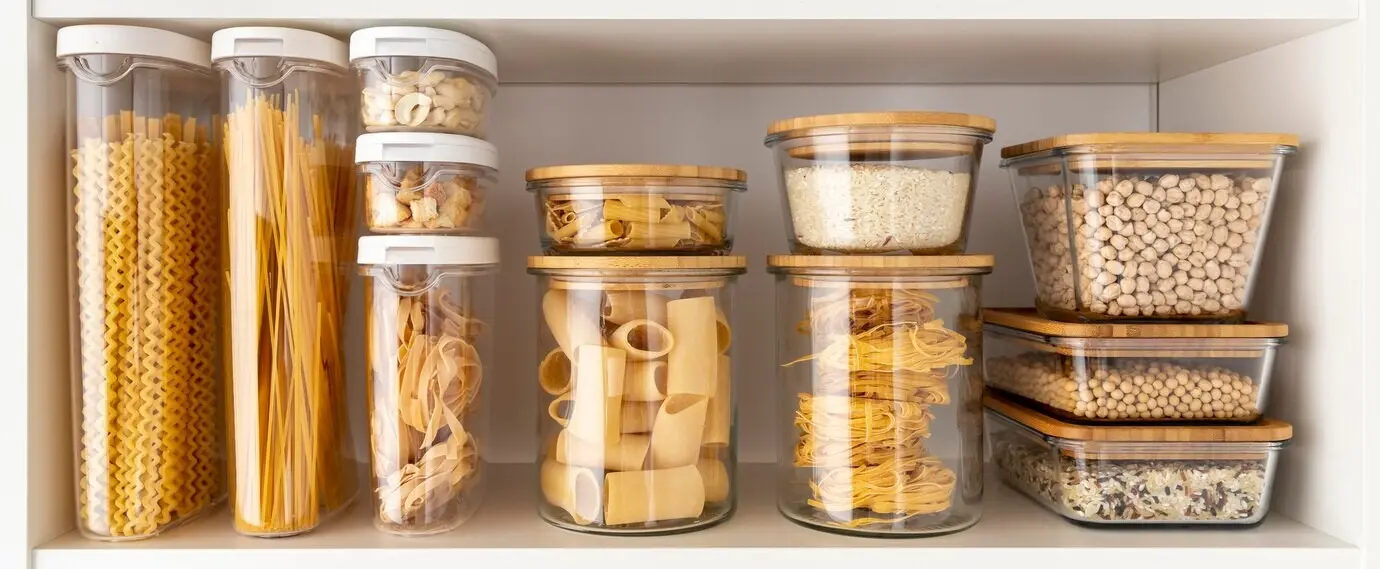
Match materials to formulas: HDPE for many cleaners, PET for alcohol blends, and amber glass for light-sensitive solutions. Choose sprayers with chemical-resistant seals. Use trusted preservatives, sanitize equipment, and date every batch. Store in cool, dark places, mix small quantities, and retire anything that changes smell, color, or texture.

Choose Containers Wisely

Different formulas stress plastics differently. Alcohols can embrittle some sprayers, acids can etch metal parts, and thick gels need wide-orifice pumps. Keep separate bottles for acidic and alkaline solutions, and avoid repurposing food containers. Consistent bottle shapes and clear labels make refills fast and spill-resistant on busy mornings.

Keep Microbes at Bay

Water welcomes life, so preservation matters. Dose a broad-spectrum system correctly, respect pH ranges, and avoid contaminating bottles with unclean funnels or fingers. Work in small batches, sanitize tools with alcohol, and cap immediately. If clouding, off-odors, or unexpected separation appears, discard, clean thoroughly, and remake a fresh batch.

Label Everything Clearly

Write the dilution ratio, ingredients, date mixed, and special cautions on every bottle. Add first-aid notes, storage guidance, and a simple measuring cue like capfuls or milliliters. Consider QR codes to your recipe log. Labels turn confusion into confidence and help family members refill safely without guesswork.

Your Refill Routine

Pick a weekly refill window, rinse bottles, and lay out tools. Mix from concentrates, cap, label, and park bottles where you actually use them. A predictable cadence reduces panic runs to stores and supports mindful cleaning habits that feel calm instead of chaotic or guilt-inducing.

Budget Wins That Add Up

Cost out every batch: total ingredients, divide by final liters, and compare with store products. Concentrates typically slash packaging and transport costs. Redirect savings to better microfibers, water filters, or a sturdy labeler. Seeing numbers shift builds motivation and turns sustainable choices into obvious, repeatable household defaults.

Share, Learn, Subscribe

Tell us what worked, what didn’t, and how you adapted for sensitive skin or stubborn limescale. Post your ratios, photos, and timing tricks. Ask questions, request tests, and subscribe for updates. Your experiences help refine instructions so others can refill confidently and enjoy reliable, safer, low-waste results.

Nelexinolozozuzatuta
Privacy Overview

This website uses cookies so that we can provide you with the best user experience possible. Cookie information is stored in your browser and performs functions such as recognising you when you return to our website and helping our team to understand which sections of the website you find most interesting and useful.